
Furnishing an Akiya on a Budget: Recycle Shops & Mercari
How to furnish a Japanese akiya affordably—recycle shops, Mercari, Jimoty, delivery tips, and what to buy first after you get the keys.
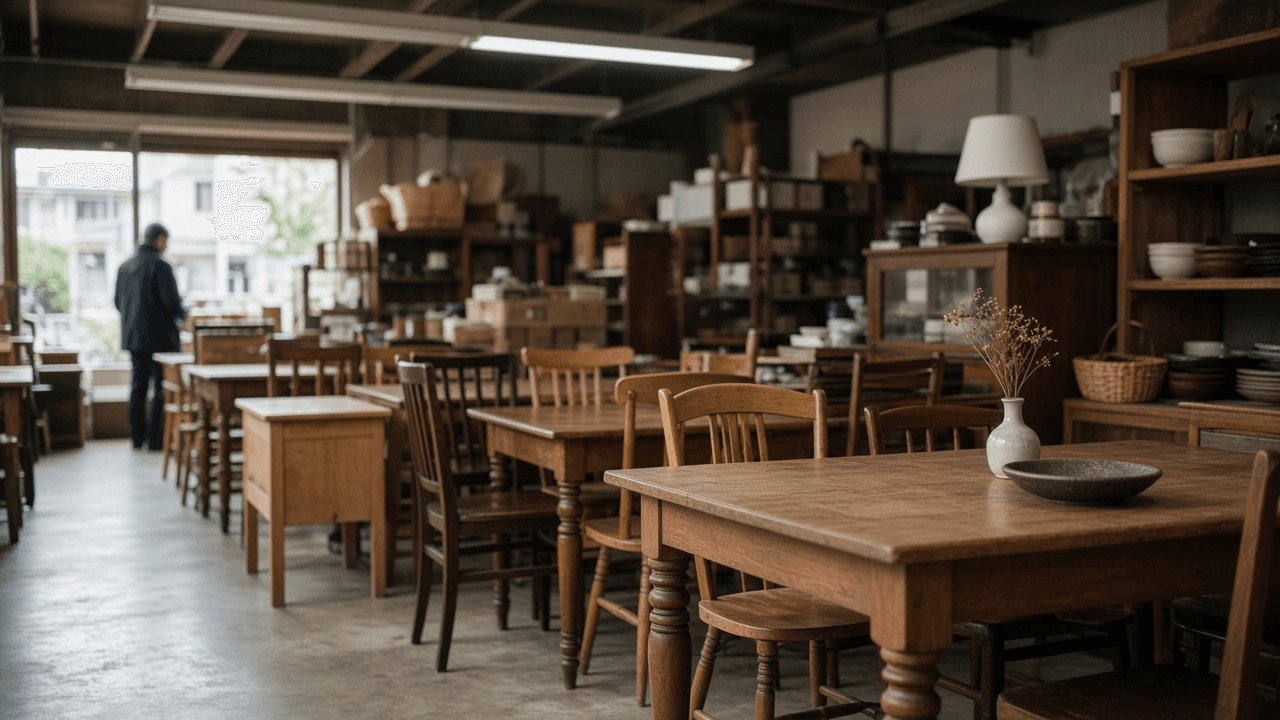
Buying an akiya (空き家, vacant house) is only half the project. Many rural homes come empty—or filled with junk you will not keep. Furnishing from scratch in Japan does not have to mean a full Nitori or IKEA run. The second-hand market is deep, well organized, and often cleaner than people expect.
This guide covers second hand furniture Japan options that work especially well for akiya and kominka buyers: recycle shops, Mercari, Jimoty, timing, delivery, and a practical buy-first list.
In this article
- Why second-hand fits akiya projects
- Recycle shops (リサイクルショップ)
- Mercari and other apps
- Jimoty and local freebies
- Delivery, sizing, and disposal
- What to buy first
- FAQ
Why second-hand fits an akiya budget
Renovation usually eats the big number. Furniture should not. Japan’s reuse culture means:
- Chain recycle shops grade and clean many items before sale
- Peer-to-peer apps move sofas, tables, and appliances quickly during moving season
- Locals often give away bulky pieces rather than pay oversized-trash fees
Aim for functional first: sleep, cook, wash, heat/cool, store. Style can wait until the roof and plumbing are sorted.
For the purchase side of the journey, see How to Buy an Akiya in Japan in 2026.
Recycle shops: inspect in person
Search Google Maps for リサイクルショップ (risaikuru shoppu) or 中古家具 (chūko kagu, used furniture) near your town—or near a city you can drive to with a van.
Common chains and formats:
| Place | Best for | Notes |
|---|---|---|
| Off House / Hard Off group | Furniture, housewares, appliances | Condition tags; often same-day takeaway |
| 2nd STREET | Mixed home goods + appliances | Design-leaning stock in some cities |
| Treasure Factory | Furniture and interiors | Delivery available at many branches |
| Local independent shops | One-off finds | Quality varies; ask before assuming warranty |
Tips:
- Visit midweek mornings for quieter browsing; stock turns fast
- Read condition stickers; ask staff to power-on appliances
- Confirm delivery radius and fee before you fall in love with a sofa (often a few thousand yen within a local area—verify at the branch)
- Measure doors, genkan steps, and hallway turns in the akiya before you buy
Recycle shops cost more than free Jimoty pickups, but you see the item and can often leave with something usable the same day.
Exploring land or akiya in Japan? AkiMap is building an interactive map to search freehold plots and vacant homes across all 47 prefectures—join the waitlist for early access.
Mercari: widest selection, more homework
Mercari (メルカリ) is Japan’s dominant flea-market app. It is excellent for:
- Smaller furniture and kitchenware
- Lamps, heaters, futon sets, storage
- Appliances when you can verify age and condition photos
Buyer habits that save money:
- Search in Japanese keywords (e.g. ソファ, ダイニングテーブル, 洗濯機)
- Check 送料込み (shipping included) vs 着払い (you pay on delivery)
- Read seller ratings and ask for extra photos of scratches or mold
- Negotiate politely in comments; small discounts are common
- Prefer sellers who pack furniture carefully or offer local pickup
Mercari shines for pieces that ship. For a full sofa in a mountain town, local pickup or a recycle-shop delivery is often saner.
Jimoty: free and nearly free local finds
Jimoty (ジモティー) is a local classifieds board. People posting moves list free or cheap bulky items—sofas, fridges, desks—because sodai gomi (粗大ごみ, oversized trash) costs money and needs booking.
How to use it well:
- Filter by your municipality or neighboring towns
- Message quickly; free items disappear
- Inspect before loading—mold, pests, and non-working appliances are your problem once you drive away
- Bring help, blankets, and straps; rural pickup roads can be narrow
February–April (school and work move season) is peak supply nationwide. If your akiya closing lands near that window, watch Jimoty daily.
Delivery, sizing, and getting rid of junk
Getting pieces into the house
- Recycle-shop delivery within radius
- Yamato / Sagawa for boxed or manageable items
- Short-term kei truck or van rental for multiple pickups
- Never assume a wide urban sofa fits a kominka corridor
Clearing what you do not want
If the akiya comes with abandoned furniture:
- Ask the seller what stays and what they remove in the contract
- Budget municipal sodai gomi tickets and pickup dates
- Recycle shops sometimes buy clean usable pieces—call first
Buying before you clear space creates a yard full of double furniture. Sequence matters: clear → measure → buy.
What to buy first (akiya starter kit)
Prioritize habitability over aesthetics:
- Sleep: futon set or simple bed frame + mattress (inspect used mattresses carefully)
- Cook: rice cooker or induction plate, basic pots, fridge
- Wash: washing machine if none exists; drying space or rack
- Climate: heater appropriate to the region (kerosene / AC / wood stove only if safe and legal for your setup)
- Light and storage: lamps, shelves, airtight bins for humidity
- Table and chairs: one work surface for meals and paperwork
Delay large sofas and decorative tansu until renovation dust settles.
Key takeaways
- Japan’s second-hand market is strong—use recycle shops for inspected stock, Mercari for selection, Jimoty for free local bulk.
- Measure the akiya and confirm delivery before buying oversized pieces.
- Moving season (roughly Feb–Apr) floods the market with giveaways.
- Clear junk and fix structure before finishing the living room.
- Buy sleep, cook, wash, and heat first; style second.
FAQ
Is used furniture in Japan sanitary?
Chain recycle shops typically clean and grade items. Still inspect for mold, odors, and pests—especially wood pieces going into a damp vacant house. Wipe down and air everything on arrival.
Do I need Japanese to use Mercari?
The app is Japanese-first. Translation tools help, and many foreigners manage fine for straightforward purchases. For high-value appliances, ask a Japanese-speaking friend to review the listing.
Can recycle shops deliver to rural addresses?
Sometimes, within a set radius and fee. Always confirm your postal address before paying. Remote mountain sites may require self-pickup.
Should I buy a used mattress?
Only if you can inspect it in person and it is free of stains, smells, and pests. Many people prefer a new futon set for peace of mind and easier transport.
What about brand-new budget stores?
Nitori, Cainz, Komeri, and similar chains are useful for basics and hardware. Mix new essentials with second-hand bulky furniture to keep the akiya budget balanced.
Next step
If you are still choosing a region or hunting listings, join the AkiMap waitlist for early access to interactive land and akiya search across Japan’s prefectures.